

Golfer's Elbow And Tennis Elbow Treatment in Knoxville, TN
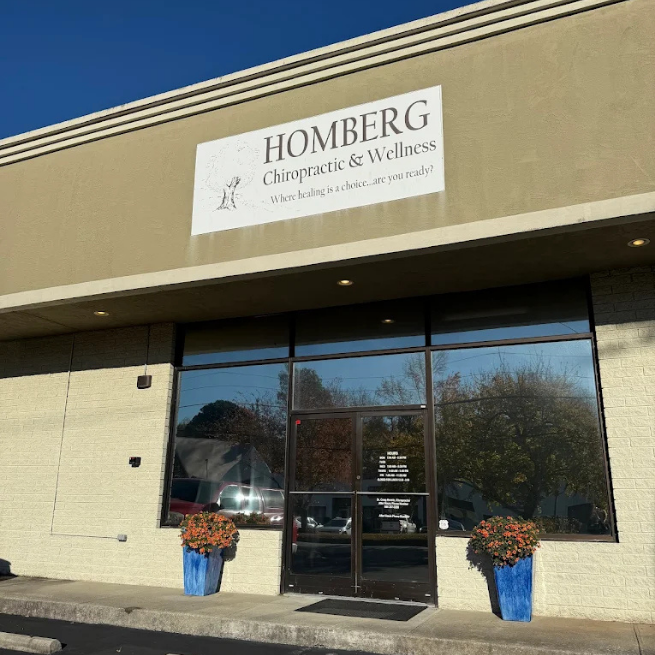
Elbow pain from gripping, lifting, typing, swinging, or repetitive use can limit work, exercise, and daily tasks. Homberg Chiropractic & Wellness evaluates the elbow, wrist, shoulder, and spine to identify why the tissue is being overloaded.
Book An AppointmentContent Reviewed By: Dr. Craig A. Hennie, D.C. on August 13, 2026
Chiropractic License Number: DC0000001884 (NPI: 1467696161)
Golfer's Elbow / Tennis Elbow Treatment At A Glance
Golfer’s elbow and tennis elbow are common overuse conditions that affect the tendons around the elbow. Tennis elbow usually causes pain on the outside of the elbow, while golfer’s elbow usually affects the inside. Both can interfere with gripping, lifting, typing, sports, yard work, and routine tasks.
At Homberg Chiropractic & Wellness, we evaluate elbow pain as part of the full upper extremity and spine system. The painful tendon may be at the elbow, but the workload can be influenced by wrist mechanics, shoulder control, neck involvement, muscle tension, and repetitive activity demands.
Care may include Extremity and Hypermobility Care, Chiropractic Care & Functional Rehabilitation, Radial Pressure Wave (RPW) Therapy, Dry Needling, or Cold Laser Therapy when appropriate. The goal is to improve function and reduce repeated tendon overload.

What Are Golfer's Elbow And Tennis Elbow?
Golfer’s elbow and tennis elbow are tendon-related conditions that cause pain where forearm muscles attach near the elbow. Tennis elbow affects the outside of the elbow and is commonly linked to wrist and finger extension. Golfer’s elbow affects the inside of the elbow and is commonly linked to gripping and wrist flexion.
These conditions are not limited to golfers or tennis players. They often develop from repeated gripping, lifting, typing, tool use, sports, or work tasks that overload the forearm tendons.
Symptoms can start suddenly after a specific strain or build gradually over weeks and months. Persistent cases may involve tendon sensitivity, reduced strength, muscle tension, and altered mechanics through the wrist, shoulder, and neck.
Because the elbow is part of a chain, effective evaluation should look beyond the painful tendon. Wrist, shoulder, and spinal mechanics can influence how much load reaches the elbow. The exact pattern matters because treatment should match the structure, movement pattern, and functional limitation involved.

Common Symptoms Of Golfer's Elbow / Tennis Elbow
Golfer’s elbow and tennis elbow usually cause localized pain near the bony points on the inside or outside of the elbow. The pain often becomes more noticeable during gripping, lifting, twisting, typing, or using tools.
Common symptoms include aching, sharp pain, tenderness, reduced grip strength, forearm tightness, and discomfort when lifting objects with the palm up or down. Some people feel pain when shaking hands, turning a doorknob, holding a coffee mug, or carrying groceries.
Symptoms may worsen with repetitive use, heavier lifting, racquet or club sports, computer work, or returning to activity too quickly. Rest may calm symptoms temporarily, but pain often returns when the same load is repeated.
Elbow pain can affect both productivity and recreation. Many patients start avoiding workouts, hobbies, work tasks, and simple household activities because the arm feels weak or painful. These details help us understand which tissues are irritated, which movements need support, and which daily activities should guide the care plan. They also help distinguish local symptoms from referred or compensatory patterns that can feel similar.
What Causes Golfer's Elbow / Tennis Elbow?
Golfer’s elbow and tennis elbow are often caused by repeated tendon overload rather than a single dramatic injury. The tendons become irritated when the demand placed on the forearm exceeds the tissue’s ability to recover.
Mechanical contributors include poor wrist mechanics, limited shoulder control, neck or upper back restriction, muscle imbalance, and gripping strategies that place extra stress through the forearm.
Activity factors also matter. Typing, lifting, tool use, racquet sports, golf, yard work, and repetitive workplace tasks can overload the elbow when tissue capacity is not keeping up.
Persistent elbow pain may continue because the painful area is repeatedly irritated before it has adapted. A complete care plan should address the tendon, the supporting joints, and the activity pattern that keeps loading it.

Conditions That Can Mimic Golfer's Elbow / Tennis Elbow
Several conditions can mimic golfer’s elbow or tennis elbow. Neck nerve irritation can refer pain, numbness, tingling, or weakness into the arm and may be mistaken for a local elbow problem.
Wrist joint dysfunction, carpal tunnel syndrome, radial tunnel irritation, shoulder mechanics, and arthritis can also create symptoms that overlap with tendon pain around the elbow. Some cases involve both local tendon irritation and nerve sensitivity.
Because forearm and elbow symptoms can come from multiple sources, diagnosis should include the elbow, wrist, shoulder, and neck. This helps determine whether treatment should focus on tendon loading, joint mechanics, nerve involvement, or a combination of factors.

When To Seek Urgent Care For Golfer's Elbow / Tennis Elbow
Seek urgent medical care for elbow pain if it follows a major fall or impact, includes visible deformity, severe swelling, inability to move the elbow, fever, redness, warmth, numbness, sudden weakness, or signs of infection. Pain with chest pressure, shortness of breath, sweating, or nausea also requires urgent medical evaluation. When these signs are present, medical assessment should come before conservative chiropractic treatment so serious causes can be ruled out.
What Our Patients Are Saying


How We Diagnose Golfer's Elbow / Tennis Elbow
Diagnosing golfer’s elbow or tennis elbow at Homberg Chiropractic & Wellness begins by identifying which tissues are painful and what activities overload them.
We review your work demands, hobbies, sports, lifting habits, symptom location, and movements that reproduce pain. Palpation helps identify tendon tenderness near the inside or outside of the elbow.
Dr. Hennie may assess grip strength, wrist motion, elbow mobility, shoulder control, neck involvement, and nerve sensitivity. Functional testing can show whether pain is driven by gripping, lifting, rotation, or repetitive use.
The purpose of diagnosis is to determine whether the elbow pain is primarily tendon-related, joint-related, nerve-related, or connected to mechanics elsewhere in the body.
How Homberg Chiropractic & Wellness Treats Golfer's Elbow / Tennis Elbow
Elbow pain treatment at Homberg Chiropractic & Wellness focuses on reducing tendon overload while improving how the wrist, elbow, shoulder, and neck share movement. Care is based on the specific tissue and activity demands involved. The goal is to match each service to the driver of your symptoms and the function you need to restore.

Radial Pressure Wave Therapy
RPW therapy uses acoustic energy to support healing in chronic soft tissue injuries, tendinopathies, and stubborn muscular restriction.
Learn More
Spinal Curve Rehabilitation
We use extension traction and Denneroll protocols to help restore spinal curves and support longer-lasting structural correction.
Learn More
Dry Needling
Dry needling targets trigger points to release deep muscular tension, restore movement, and support structural correction.
Learn MoreWhy Early Treatment Matters
Early care for golfer’s elbow or tennis elbow matters because tendon irritation can become persistent when the same load is repeated daily. Rest alone may calm pain, but it often does not address why the tendon became overloaded.
A timely evaluation helps identify whether the driver is grip mechanics, wrist motion, shoulder control, neck involvement, or activity volume. Addressing these contributors early may reduce the chance of chronic elbow pain and help you return to work, sport, and daily activity with better capacity.
Meet The Team

Dr. Craig Hennie, Chiropractor
Dr. Craig Hennie has served Knoxville Bearden since graduating from Cleveland Chiropractic College in 2002. His recovery from chronic post-accident headaches shaped his function-first approach. He is Zone Certified, Board Qualified for Acupuncture, a Certified Medical Examiner, and trained in whiplash rehabilitation, cold laser therapy, kinesio taping, and non-spinal disorders.
Meet the Team
Madison McGill, Office Manager and Chiropractic Therapy Assistant
Madison keeps the clinic running with the efficiency and warmth that sets the tone for every patient experience. She is a certified chiropractic therapy assistant with more than four years in the chiropractic field.
Meet the Team
Salem Plaag, Chiropractic Therapy Assistant
Salem brings experience and attention to detail to every patient interaction as a certified chiropractic therapy assistant.
Meet the TeamServing Knoxville And Nearby Communities
Homberg Chiropractic & Wellness serves patients from Knoxville, Bearden, Sequoyah Hills, West Knoxville, areas near downtown Knoxville, and the University of Tennessee community. Our location and care model are built for patients who want a thorough evaluation, clear recommendations, and function-focused chiropractic care.
Frequently Asked Questions
Sources And Clinical References
Mayo Clinic: Tennis Elbow. Supports: tennis-elbow symptoms, overuse mechanisms, and functional limitations with gripping or lifting.
Mayo Clinic: Golfer’s Elbow. Supports: golfer’s elbow definition, inside-elbow symptoms, repetitive gripping causes, and urgent-care signs.
NCBI Bookshelf: Lateral Epicondylitis. Supports: clinical background for tennis elbow, differential diagnosis, and treatment considerations.
PMC: Focused And Radial Shock Wave Therapy In Tennis Elbow. Supports: RPW/radial shockwave evidence limits for selected chronic elbow-tendon presentations.
PubMed: Trigger Point Dry Needling For Musculoskeletal Conditions. Supports: dry needling as an adjunct when muscle-related pain or guarding contributes to symptoms.
Book Golfer's Elbow And Tennis Elbow Treatment In Knoxville
Golfer’s elbow and tennis elbow treatment in Knoxville should identify why the elbow tendon is being overloaded. Homberg Chiropractic & Wellness evaluates the elbow, wrist, shoulder, neck, and activity patterns before recommending care. If elbow pain is limiting gripping, lifting, typing, work, or sport, book an appointment for a focused evaluation. After your evaluation, we will explain the findings and the recommended next step.
Content Reviewed By: Dr. Craig A. Hennie, D.C. on August 13, 2026
Chiropractic License Number: DC0000001884 (NPI: 1467696161)