

Dry Needling in Knoxville, TN
We use dry needling to release deep trigger points and restore normal neuromuscular function as part of a comprehensive structural care plan.
Book Your AppointmentContent Reviewed By: Dr. Craig A. Hennie, D.C. on October 14, 2026
Chiropractic License Number: DC0000001884 (NPI: 1467696161)
What Is Dry Needling?
Dry needling is a treatment that uses thin needles placed into specific irritated or tight muscle areas to help reduce muscle tension, improve mobility, and support better movement. It is commonly considered for muscle-related pain, trigger points, recurring tightness, and movement restrictions that affect daily activity or exercise.
At Homberg Chiropractic & Wellness, dry needling is used as part of a broader care plan rather than as a stand-alone shortcut. Dr. Hennie evaluates the muscle, the joints around it, and the movement pattern that may be keeping the area irritated. When appropriate, dry needling may be paired with chiropractic adjustments and functional rehab, RPW therapy, cold laser therapy, or extremity and hypermobility care.
Dry Needling in Knoxville, TN
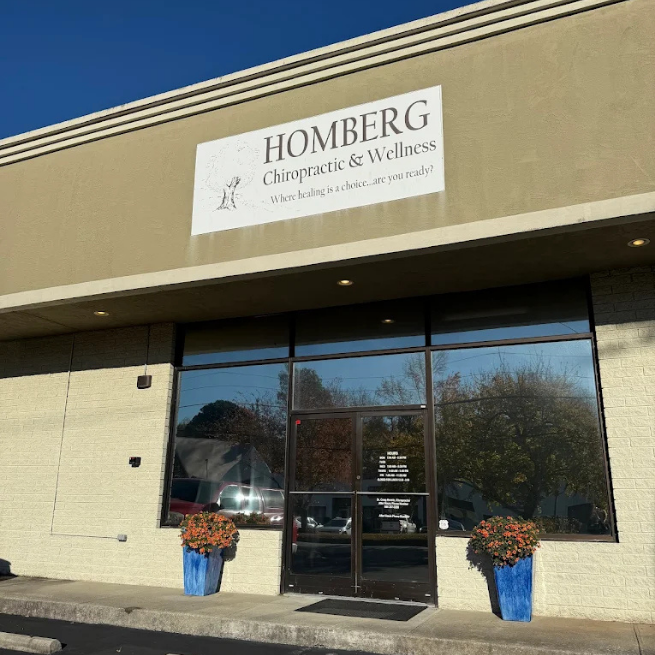
Homberg Chiropractic & Wellness offers dry needling in Knoxville, TN, as part of a broader chiropractic and functional care plan. Our clinic is located at 111 Northview Street in Knoxville, making care accessible for patients coming from Bearden, West Knoxville, Sequoyah Hills, downtown Knoxville, and nearby University of Tennessee areas.
Dry needling may be recommended for patients dealing with muscle tension, trigger points, recurring tightness, movement restriction, or pain patterns that do not fully improve with stretching or rest alone. This may include discomfort in the neck, shoulders, back, hips, knees, ankles, feet, or elbows depending on your symptoms and evaluation findings.
At Homberg Chiropractic & Wellness, dry needling is not used as a standalone shortcut. Dr. Hennie evaluates the irritated muscle, the joints around it, and the movement pattern that may be keeping the area tight or guarded. This helps determine whether dry needling is appropriate and how it should fit into your larger care plan.
For patients in Knoxville and Bearden, dry needling may be included alongside chiropractic care, functional rehabilitation, radial pressure wave therapy, cold laser therapy, or extremity care when appropriate. The goal is to help reduce muscle guarding, support better movement, and address the factors that may be contributing to recurring pain or stiffness.
If you are looking for dry needling near Bearden, West Knoxville, or the Kingston Pike area, Homberg Chiropractic & Wellness offers evaluation-based care in a convenient Knoxville location.

Benefits Of Dry Needling
Dry needling may help patients whose pain is tied to tight, overworked, or guarded muscles that keep limiting movement. The benefit is targeted muscle support that can make it easier to move, rehab, and rebuild confidence in the area. Dr. Hennie uses dry needling within a larger functional plan, so the focus stays on why the muscle is irritated instead of only chasing the tender spot.
Dr. Hennie’s training includes board-qualified acupuncture education, and dry needling fits into his broader understanding of tissue, movement, and nervous-system response. Book an evaluation when muscle tightness, trigger points, or recurring pain limits walking, lifting, training, posture, or sleep. Seek urgent medical care first for severe trauma, infection signs, unexplained weakness, numbness spreading quickly, chest pain, fever, or symptoms that rapidly worsen.

Dry Needling for Muscle Tension and Trigger Points
Muscle tension can develop when muscles become overworked, irritated, guarded, or stuck in a protective pattern. Trigger points are sensitive areas within muscle tissue that may feel tight, sore, knotted, or tender when pressed. In some cases, they can also refer discomfort into nearby areas.
Dry needling may be considered when muscle tension or trigger points are limiting movement, affecting posture, increasing stiffness, or contributing to recurring pain. Patients may notice symptoms during work, exercise, lifting, driving, sleeping, or daily activities that require repeated movement.
At Homberg Chiropractic & Wellness, dry needling is used to target specific irritated muscle areas identified during the exam. The goal is to help reduce muscle guarding, improve mobility, and make it easier for the body to respond to movement-based care.
Because muscle tension is often part of a larger pattern, dry needling may be paired with chiropractic adjustments, functional rehabilitation, cold laser therapy, radial pressure wave therapy, or movement guidance. This helps address both the tight muscle and the reason it may be staying irritated in the first place.
Dry needling may be especially useful when tight muscles are affecting the neck, shoulders, back, hips, legs, or other areas involved in movement and stability. The exact treatment plan depends on your symptoms, exam findings, tolerance, and goals.
Conditions Dry Needling May Help
Dry needling may be considered when muscle tension, trigger points, or guarding contribute to pain, stiffness, and limited movement. It is most relevant when tight or irritated muscles are part of a larger pain pattern, especially in the back, shoulder, knee, ankle, foot, elbow, or nerve-related symptoms that keep returning.

Back Pain Treatment
We assess spinal structure, nerve irritation, injury history, and movement patterns to address what is driving back pain.

Sciatica Treatment
We identify where sciatic nerve irritation begins, then address the mechanical cause behind leg pain or numbness.

Knee Pain Treatment
We assess the hip, ankle, pelvis, and patellar tracking to find what is loading the knee.

Ankle Pain and Injury Treatment
We restore ankle mechanics and address compensation patterns that can lead to recurring sprains or instability.

Plantar Fasciitis Treatment
We assess the foot, ankle, and lower chain to address the load driving heel and arch pain.

Golfer’s Elbow and Tennis Elbow Treatment
We combine RPW, soft tissue care, extremity adjusting, and upper-chain assessment for chronic elbow pain.

Arthritis and Joint Pain Treatment
We help arthritic joints move better, reduce restriction, and support long-term strength and independence.

Shoulder Pain Treatment
We evaluate the shoulder as part of a connected system by assessing the joint, rotator cuff, neck, and upper back.
How We Use Dry Needling With Movement-Based Care
Dry needling starts with identifying which muscles are irritated and why they may be staying that way. Dr. Hennie may assess local tenderness, joint motion, posture, strength, and movement patterns before recommending it. That matters because the tight muscle is often part of a larger compensation pattern, not the whole story.
When dry needling is appropriate, thin needles are placed into targeted areas based on the exam findings and your tolerance. Some patients may feel a twitch response, soreness, or temporary sensitivity afterward, which is discussed before care begins. Dry needling may be followed by movement work, chiropractic care, or other services so the body has a better chance to use the change in muscle tone.

What to Expect During Dry Needling
Dry needling begins with an evaluation. Dr. Hennie may assess your symptoms, muscle tenderness, joint motion, posture, strength, movement patterns, and activity triggers before recommending treatment. This helps identify which muscles may be irritated and whether dry needling is appropriate for your condition.
If dry needling is included in your visit, very thin needles are placed into specific targeted muscle areas. Some patients feel a quick twitch response, deep ache, cramping sensation, or mild soreness when the irritated muscle responds. Others feel very little during the treatment. Your tolerance and comfort are considered throughout the visit.
After dry needling, it is common to feel temporary soreness or sensitivity in the treated area, similar to how a muscle may feel after a workout. Dr. Hennie may give you movement guidance, hydration recommendations, or follow-up care instructions based on how your body responds.
Dry needling may be followed by chiropractic care, functional rehabilitation, stretching, strengthening, cold laser therapy, radial pressure wave therapy, or other services depending on your findings. The goal is to help your body use the change in muscle tone to move better, not just temporarily relax a tight spot.
The number of sessions needed depends on how long the issue has been present, how irritated the tissue is, how your body responds, and whether there are underlying movement patterns contributing to the problem. If your symptoms suggest that another type of care is needed first, we will explain the next appropriate step.
What Our Patients Say


Related Services For Pain Relief And Recovery

Radial Pressure Wave Therapy
RPW therapy uses acoustic energy to support healing in chronic soft tissue injuries, tendinopathies, and stubborn muscular restriction.
Learn More
Cold Laser Therapy
Cold laser therapy uses low-level light to support tissue repair, reduce inflammation, and complement structural care.
Learn More
Extremity and Hypermobility Care
We treat extremity joints, TMJ concerns, and hypermobility patterns through full kinetic chain assessment.
Learn MoreMeet The Team Behind Your Personalized Care

Dr. Craig Hennie, Chiropractor
Dr. Craig Hennie has served Knoxville Bearden since graduating from Cleveland Chiropractic College in 2002. His recovery from chronic post-accident headaches shaped his function-first approach. He is Zone Certified, Board Qualified for Acupuncture, a Certified Medical Examiner, and trained in whiplash rehabilitation, cold laser therapy, kinesio taping, and non-spinal disorders.
Meet the Team
Madison McGill, Office Manager and Chiropractic Therapy Assistant
Madison keeps the clinic running with the efficiency and warmth that sets the tone for every patient experience. She is a certified chiropractic therapy assistant with more than four years in the chiropractic field.
Meet the Team
Salem Plaag, Chiropractic Therapy Assistant
Salem brings experience and attention to detail to every patient interaction as a certified chiropractic therapy assistant.
Meet the Team
Chaz, Chiropractic Therapy Assistant
Chaz brings a depth of chiropractic knowledge and experience that elevates each patient’s care. Her precision, expertise, and understanding of the body help patients work toward their individual health goals while supporting lifelong health and optimization—so they can continue doing the things they love for years to come.
Meet the TeamDry Needling vs. Acupuncture
Dry needling and acupuncture both use thin needles, but they are not the same treatment. The main difference is the clinical reasoning behind where the needles are placed and why they are used.
Dry needling is typically based on anatomy, muscle function, trigger points, and neuromuscular response. The needles are placed into specific tight or irritated muscle areas identified during a clinical evaluation. The goal is to help reduce muscle tension, improve mobility, and support better movement as part of a broader care plan.
Acupuncture is commonly associated with traditional Chinese medicine and may use points along meridians or energy pathways. Some providers also use medical acupuncture approaches, but the philosophy, training, and treatment goals can differ from dry needling.
At Homberg Chiropractic & Wellness, dry needling is used within Dr. Hennie’s chiropractic and movement-based care model. It may be recommended when muscle tension, trigger points, or guarding are contributing to pain, stiffness, or limited function.
If you are unsure whether dry needling is right for you, an evaluation can help determine whether your symptoms are muscle-related, joint-related, nerve-related, or part of a broader movement pattern that may need a different approach.
Frequently Asked Questions
Sources And Clinical References
PubMed: The Effectiveness Of Trigger Point Dry Needling For Musculoskeletal Conditions By Physical Therapists: A Systematic Review And Meta-Analysis. Supports: dry needling as a short-term adjunct for selected musculoskeletal pain involving trigger points, guarding, and restricted movement.
PubMed: Clinical Effectiveness Of Dry Needling In Patients With Musculoskeletal Pain: A Systematic Review And Meta-Analysis. Supports: dry-needling evidence limits for selected musculoskeletal pain presentations, without supporting guaranteed relief, stand-alone care, or broad long-term superiority.
Serving Knoxville, Bearden, And Nearby Communities
Homberg Chiropractic & Wellness serves patients from Knoxville, Bearden, Sequoyah Hills, West Knoxville, areas near downtown Knoxville, and the University of Tennessee community. Our location and care model are built for patients who want a thorough evaluation, clear recommendations, and function-focused chiropractic care.