

Spinal Curve Rehabilitation In Knoxville, TN
Spinal curve restoration is for patients who want more than a temporary adjustment. We look at structure, motion, and function so your care plan has a clear direction.
Book Your AppointmentContent Reviewed By: Dr. Craig A. Hennie, D.C. on October 13, 2026
Chiropractic License Number: DC0000001884 (NPI: 1467696161)
What Spinal Curve Restoration Does
Spinal curve restoration is a structured chiropractic approach that uses evaluation, x-ray-informed planning when appropriate, extension traction, Denneroll table support, and corrective exercises to address altered spinal alignment and function. It is commonly considered when posture, spinal mechanics, chronic pain, or recurring symptoms suggest that structure is part of the problem.
At Homberg Chiropractic & Wellness, spinal curve restoration is framed around function rather than appearance alone. Dr. Hennie looks at how the spine is loading, how movement is affected, and whether curve-focused care may support better strength, balance, energy, and day-to-day comfort. The plan is individualized, measured, and explained before care moves forward.

Benefits Of Spinal Curve Restoration
Spinal curve restoration may help patients who feel stuck in the same pain cycle and want a clearer explanation of what their spine is doing under load. The benefit is structure with a purpose: better movement, improved postural support, and a care plan that looks beyond how you feel for one visit. Dr. Hennie uses curve-focused evaluation to connect spinal position with function, strength, balance, and daily performance.
Dr. Hennie’s background includes spinal curve restoration tools and methods such as extension traction, mirror-image exercises, x-ray-informed care planning, and the Denneroll table. Book an evaluation if posture, recurring pain, headaches, stiffness, or post-accident symptoms keep returning. Seek urgent medical care first for severe trauma, sudden weakness, numbness in the groin area, loss of bowel or bladder control, fever with spinal pain, or symptoms that rapidly worsen.
Conditions Spinal Curve Restoration May Help
Spinal curve restoration may be relevant when posture, spinal structure, or long-standing movement patterns appear to be contributing to pain, stiffness, nerve irritation, or reduced function. This service is most connected to spine-related concerns where alignment, load, and movement habits may all be part of the same problem.

Back Pain Treatment
We assess spinal structure, nerve irritation, injury history, and movement patterns to address what is driving back pain.

Sciatica Treatment
We identify where sciatic nerve irritation begins, then address the mechanical cause behind leg pain or numbness.

Arthritis and Joint Pain Treatment
We help arthritic joints move better, reduce restriction, and support long-term strength and independence.
How We Use Curve-Focused Chiropractic Care
Spinal curve restoration begins with a careful evaluation of posture, movement, symptoms, and the way the spine is functioning. When x-rays are indicated, they can help Dr. Hennie understand the structural picture and explain why certain recommendations may matter. That is different from guessing based only on how the pain feels that day.
Care may include spinal adjustments, extension traction, Denneroll table work, mirror-image exercises, and functional rehabilitation when appropriate. The plan is not built around forcing every patient into the same curve protocol. It is built around your findings, your tolerance, your goals, and the practical progress markers that show whether care is helping you move in the right direction.
What Our Patients Say


Related Services For Structural Support And Recovery

Cold Laser Therapy
Cold laser therapy uses low-level light to support tissue repair, reduce inflammation, and complement structural care.
Learn More
Dry Needling
Dry needling targets trigger points to release deep muscular tension, restore movement, and support structural correction.
Learn MoreMeet The Team Behind Your Personalized Care

Dr. Craig Hennie, Chiropractor
Dr. Craig Hennie has served Knoxville Bearden since graduating from Cleveland Chiropractic College in 2002. His recovery from chronic post-accident headaches shaped his function-first approach. He is Zone Certified, Board Qualified for Acupuncture, a Certified Medical Examiner, and trained in whiplash rehabilitation, cold laser therapy, kinesio taping, and non-spinal disorders.
Meet the Team
Madison McGill, Office Manager and Chiropractic Therapy Assistant
Madison keeps the clinic running with the efficiency and warmth that sets the tone for every patient experience. She is a certified chiropractic therapy assistant with more than four years in the chiropractic field.
Meet the Team
Salem Plaag, Chiropractic Therapy Assistant
Salem brings experience and attention to detail to every patient interaction as a certified chiropractic therapy assistant.
Meet the Team
Chaz, Chiropractic Therapy Assistant
Chaz brings a depth of chiropractic knowledge and experience that elevates each patient’s care. Her precision, expertise, and understanding of the body help patients work toward their individual health goals while supporting lifelong health and optimization—so they can continue doing the things they love for years to come.
Meet the TeamFrequently Asked Questions
Sources And Clinical References
PubMed: Restoring Cervical Lordosis By Cervical Extension Traction Methods In The Treatment Of Cervical Spine Disorders: A Systematic Review Of Controlled Trials. Supports: extension traction, cervical-curve discussion, and curve-focused rehabilitation language, without supporting permanent correction or cosmetic alignment claims.
NCCIH: Spinal Manipulation: What You Need To Know. Supports: evidence-limit language for spinal manipulation as a conservative option for selected musculoskeletal symptoms.
Mayo Clinic: Chiropractic Adjustment. Supports: chiropractic-adjustment definitions, patient-safety framing, and cautious conservative-care language.
Serving Knoxville, Bearden, And Nearby Communities
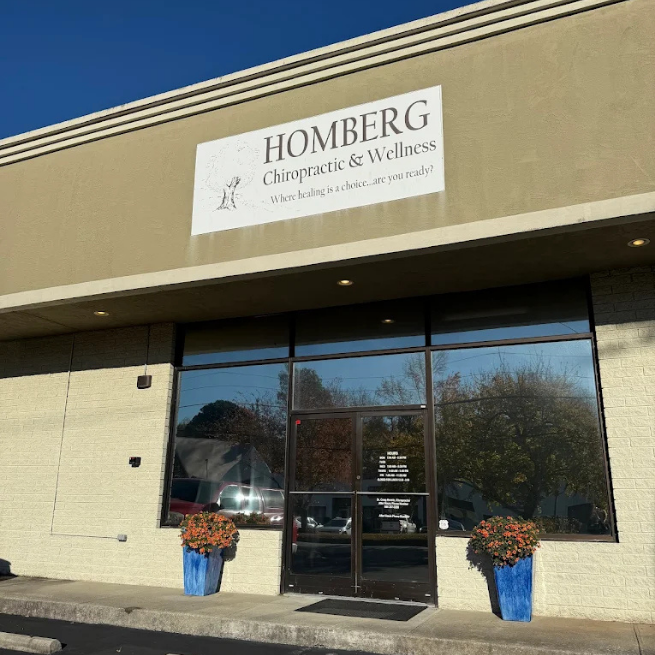
Homberg Chiropractic & Wellness serves patients from Knoxville, Bearden, Sequoyah Hills, West Knoxville, areas near downtown Knoxville, and the University of Tennessee community. Our location and care model are built for patients who want a thorough evaluation, clear recommendations, and function-focused chiropractic care.
Content Reviewed By: Dr. Craig A. Hennie, D.C. on October 13, 2026
Chiropractic License Number: DC0000001884 (NPI: 1467696161)