
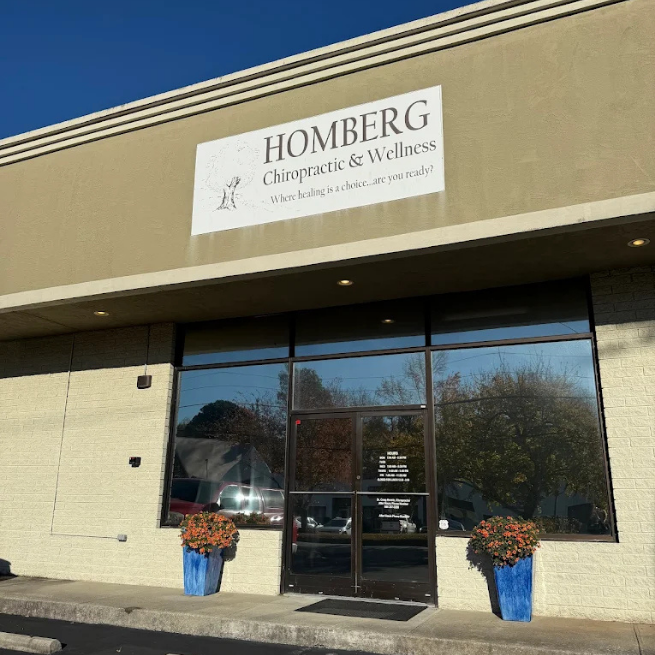

Chiropractic Care in Knoxville, TN
Evidence-Based Care to Help You Move Freely and Feel Strong
Book Your AppointmentContent Reviewed By: Dr. Craig A. Hennie, D.C. on August 18, 2026
Chiropractic License Number: DC0000001884 (NPI: 1467696161)

Table of Contents
- Chiropractic Care in Knoxville, Explained in 90 Seconds
- What Chiropractic Care Actually Is
- What Chiropractic Care Can Help With
- Who This Service Is For
- Conditions and Areas We Commonly Treat
- How We Assess You: The Clinical Process
- What to Expect: First Visit Through Follow-Ups
- Our Treatment Approach: A Phased Care Ladder
- Techniques and Tools We Use
- Featured Modalities
- Evidence and Integrity Snapshot
- A Representative Patient Journey (De-Identified)
- Meet the Team
- Reviews and Social Proof
- Insurance, Billing, and What to Expect on Cost
- When to Skip Chiropractic and Seek Urgent Care
- Take Our Chiropractic Care Guide With You
- Book Chiropractic Care in Knoxville, TN
- References
- Frequently Asked Questions
Chiropractic Care in Knoxville, Explained in 90 Seconds
Chiropractic care uses hands-on adjustments and movement-based rehabilitation to help your spine, joints, muscles, and nervous system work together more efficiently. People commonly seek it for lower back pain relief, neck pain and stiffness, sciatica, headaches, and recovery after a car accident. At Homberg Chiropractic & Wellness, this is not a quick-pop model. We assess how your body is actually moving, use standing X-rays when clinically indicated, and build a personalized plan focused on function, not just short-term symptom relief. Chiropractic is a strong first step for many mechanical pain problems, but it is not a substitute for emergency care. Seek urgent medical attention for chest pain, stroke-like symptoms, major trauma, sudden weakness, loss of bowel or bladder control, or fever with severe pain.

What Chiropractic Care Actually Is
Chiropractic care is a licensed, non-surgical form of healthcare that focuses on how the spine, joints, muscles, and nervous system move and communicate. The most familiar tool is the chiropractic adjustment, a controlled, targeted input applied to a joint that is not moving well. When paired with functional rehabilitation, the goal shifts from a single moment of relief to lasting change in how your body works.
A typical course of care with us includes a thorough history, a hands-on and movement-based exam, adjustments where appropriate, and simple home exercises that reinforce what we do in the office. When findings call for it, we add standing X-rays, extension traction, mirror-image exercises, and advanced therapies that support the same structural goal.
Two common misconceptions are worth clearing up. First, chiropractic is not only for back pain, and it is not a lifetime commitment forced on everyone who walks in. Care plans are dictated by conditions and we help each person achieve defined goals on a realistic timeline. Second, an adjustment is not a matter of “cracking” something back into place. The audible sound is simply gas releasing within a joint, and it is not a measure of whether the treatment worked.

What Chiropractic Care Can Help With
Most people come to us with a goal in mind, not a diagnosis. Here is how care tends to map to what patients are actually after.
- Pain reduction and flare management. Calming an irritated area so daily life becomes manageable again, whether that is lower back pain, neck pain, or a recurring headache.
- Mobility and flexibility. Restoring motion in stiff joints so you can turn, bend, reach, and look over your shoulder without guarding.
- Strength and capacity building. Rebuilding the control and load tolerance that keeps a problem from returning.
- Injury recovery and rehab. Guiding tissue and joint recovery after strains, sprains, and post-accident symptoms such as whiplash.
- Return to sport and work. Bridging the gap between “not hurting” and “ready to fully participate” in the activities that matter to you.
- Prevention and performance. Keeping small issues small, and helping active people and athletes move with more confidence.
Who This Service Is For
You may be a good fit for chiropractic care if:
- Your lower back, neck, or mid-back pain has lasted more than a few days or keeps coming back.
- You have sciatica-type symptoms, such as pain, numbness, or tingling that travels into the leg.
- You feel numbness or tingling in the arms, hands, legs and/or feet.
- You are dealing with tension headaches or migraines.
- You were in a car accident.
- You notice upper back pain between the shoulder blades from long hours at a desk or other activity.
- You want relief without leading with drugs or surgery.
- You have or have not tried other approaches and want a clear explanation for what is driving the problem.
Not sure whether chiropractic is right for your situation? That is exactly what an evaluation is for. We will tell you honestly whether we can help, and we will refer you elsewhere if that is the better path.

Conditions and Areas We Commonly Treat
We treat the body as a connected system, because one painful area often forces the rest of the body to compensate.
By region:
- Neck. Neck pain and stiffness, reduced range of motion, and headaches. See our Neck Pain Treatment page.
- Back. Lower back pain, upper back pain between the shoulder blades, and back pain after an accident or heavy lifting. See our Back Pain Treatment page.
- Hip and pelvis. Sacroiliac joint irritation and hip-driven low back complaints.
- Knee. Knee pain. See our Knee Pain Treatment page.
- Foot and ankle. Recurring sprains, instability, and plantar fasciitis. See our Ankle Pain and Plantar Fasciitis Treatment pages.
- Wrist, hand, and elbow. Golfer’s elbow, tennis elbow, and extremity joint pain. See our Golfer’s Elbow and Tennis Elbow Treatment page.
By use-case:
- Sports and performance. Recurring injuries and return-to-sport goals.
- Post-accident. Whiplash and lingering symptoms after a car accident.
- Chronic pain. Long-standing problems that other approaches have not resolved. See our Arthritis and Joint Pain Treatment page.
- Workplace strain. Desk posture, repetitive load, and the aches that build over a long week.
We treat each person’s body as a whole unit as often times one problem has been caused by another problem.
How We Assess You: The Clinical Process
Good care starts with a clear picture, so our first job is to understand your history and your goals before we recommend anything.
- History and goal setting. We listen to the full story: how the problem started, what makes it better or worse, and what you want to get back to.
- Movement and functional assessment. We evaluate spinal motion, joint mechanics, posture, muscle control, strength, and balance, and we watch how symptoms show up during everyday movement.
- Screening for red flags. We include relevant orthopedic and neurological checks. If we see signs that point beyond our scope, we say so.
- Standing X-rays when clinically indicated. Unlike films taken lying down, standing X-rays show how your spine behaves under load. Those images are reviewed by a radiologist and used to guide the plan.
- Baseline measures. We document starting points for pain, function, range of motion, and strength so progress is tracked, not guessed.
If at anytime we do not know we are the best provider for your condition we will refer you to who is.
The flow is simple: Assessment, then Plan, then Treatment and of course we measure the Progress.

What to Expect: First Visit Through Follow-Ups
We want the process to feel clear from the moment you book.
- Before you arrive. Intake forms are completed ahead of time, so your first visit stays focused on you.
- What to wear and bring. Comfortable clothing you can move in, plus any prior imaging or reports if you have them.
- First visit, step by step. One of our certified therapy assistants gathers your history. Dr. Hennie then hears your full story and completes a thorough orthopedic, neurological, and postural exam. When clinically indicated, standing X-rays are taken and sent to a radiologist.
- Your report of findings. On the second visit, Dr. Hennie walks you through what we found and what your condition indicates. You leave with a clear care plan, defined goals, and a timeline.
- Session cadence. Early visits are usually more frequent to calm the problem and build momentum. As you improve, visits typically spread out.
- Your home plan. Expect a few simple, realistic exercises. The work you do between visits is often what makes the results hold.
Same-day appointments are frequently available.
Our Treatment Approach: A Phased Care Ladder
Rather than repeating the same visit until something changes, we move care through phases and adjust based on how your body responds.

Phase 1: Calm irritation and reduce sensitivity.
The first priority is settling the pain generator and giving an irritated area room to recover. Adjustments, soft tissue work, and supportive therapies help reduce guarding so you can move more comfortably.

Phase 2: Restore motion and control.
As symptoms settle, we work to restore normal joint motion and re-train the muscles that stabilize it. This is where mirror-image exercises, mobility work, and targeted rehab do their job.

Phase 3: Build strength and capacity.
Relief that lasts requires tissue and joints that can handle real-life load. We progressively build strength, balance, and control so the problem has less reason to return.

Phase 4: Return to function and prevent recurrence.
The final phase is about getting you back to the activities that matter and giving you the tools to stay there, with a maintenance strategy that fits your life.

Every plan is personalized. Not everyone needs all four phases, and the pace is set by your presentation and your goals, not by a template.
Techniques and Tools We Use
We only use what serves the plan. Depending on your presentation, care may include:
- Chiropractic adjustments and joint mobilization to restore motion in restricted joints.
- Soft tissue therapy to release tight, guarded muscles.
- Functional rehabilitation and therapeutic exercise to rebuild strength, control, and capacity.
- Mirror-image exercises and extension traction to support structural correction.
- Neuromuscular re-education and balance work to improve how you move and stabilize.
- Advanced modalities including radial pressure wave (shockwave) therapy, cold laser therapy, dry needling, and visceral manipulation when clinically appropriate.
- Education on posture, ergonomics, pacing, and recovery so you understand your body and your plan.
Featured Modalities

Radial Pressure Wave (Shockwave) Therapy
What it is. A therapy that delivers acoustic pressure waves into soft tissue to support healing. Who it is for. Patients with chronic soft tissue injuries, tendinopathies, and stubborn muscular restriction that have not responded to lighter approaches. What to expect. A series of short pulses over the treatment area. Some tenderness during and after is normal. How it fits the plan. It complements adjustments and rehab by helping stalled tissue recovery move forward. Safety notes. It is not used over certain areas or conditions, which we screen for before starting.
Learn More
Cold Laser Therapy
What it is. Low-level light applied to tissue to support repair and reduce inflammation. Who it is for. Patients dealing with inflammation, slow-healing tissue, or nerve-related symptoms such as numbness and tingling. What to expect. A comfortable, painless session. There is no heat sensation to speak of. How it fits the plan. It supports structural care by calming inflamed tissue so you can progress. Safety notes. We screen for contraindications and avoid treating over specific areas where laser is not appropriate.
Learn More
Spinal Curve Rehabilitation
What it is. A structured approach using extension traction and Denneroll protocols to help restore healthy spinal curves. Who it is for. Patients whose standing X-rays show a loss of normal curve that is contributing to their symptoms. What to expect. Positioning on specialized equipment for set intervals, paired with mirror-image exercises. How it fits the plan. It targets the underlying structure, which supports longer-lasting correction rather than temporary relief. Safety notes. It is only used when imaging and exam findings indicate it is appropriate.
Learn MoreEvidence and Integrity Snapshot
We practice evidence-informed care, which means we combine current research, clinical experience, and your specific goals and findings. For many common problems such as lower back pain and neck pain, leading clinical guidelines support hands-on and active approaches, including spinal manipulation and exercise, as reasonable non-drug options [1][2][3][5].
What we prioritize is straightforward: patient education, active rehabilitation, and measured progress you can actually see. What we avoid is just as important. We do not offer guarantees, we do not use one-size-fits-all plans, and we do not position chiropractic as a cure for everything.
When your presentation points to a problem outside our scope, whether that means advanced imaging, a medical specialist, or a surgical opinion, we refer you out. That standard is built into how we practice.

A Representative Patient Journey (De-Identified)
The following is a composite example for illustration. It is not a promise of specific results, which vary from person to person.
Patient profile. A working parent in their early 40s with a desk job.
Starting limitation. Recurring lower back pain and stiffness, worse in the morning, with trouble keeping up with weekend activities.
Assessment highlights. Restricted lumbar and hip motion, weak trunk control, and postural findings confirmed on standing X-ray.
Plan. Phase 1 focused on calming the irritated area with adjustments and soft tissue work. Phase 2 restored motion and added mirror-image exercises. Phase 3 built strength and control with a simple home program.
Milestones. By Week 2, morning stiffness eased. By Week 4, daily tasks became noticeably easier. By Week 8 and beyond, the patient returned to weekend activities with more confidence.
Outcome. Function-based gains: better movement, more capacity, and fewer flare-ups.
Maintenance. A short home routine and periodic check-ins to keep small issues from becoming big ones.
Meet The Team Behind Your Personalized Care

Dr. Craig Hennie, Chiropractor
Dr. Craig Hennie has served Knoxville Bearden since graduating from Cleveland Chiropractic College in 2002. His recovery from chronic post-accident headaches shaped his function-first approach. He is Zone Certified, Board Qualified for Acupuncture, a Certified Medical Examiner, and trained in whiplash rehabilitation, cold laser therapy, kinesio taping, and non-spinal disorders.
Meet the Team
Madison McGill, Office Manager and Chiropractic Therapy Assistant
Madison keeps the clinic running with the efficiency and warmth that sets the tone for every patient experience. She is a certified chiropractic therapy assistant with more than four years in the chiropractic field.
Meet the Team
Salem Plaag, Chiropractic Therapy Assistant
Salem brings experience and attention to detail to every patient interaction as a certified chiropractic therapy assistant.
Meet the TeamWhat it is like to work with us: you get a thorough evaluation, a clear explanation of what is happening, and a plan built around your goals. Our clinic philosophy is simple. Every part of the body affects the rest of it, so we treat the body as a whole and focus on functional restoration while minimizing the need for drugs and surgery.
Reviews and Social Proof


Patients do not just read about care. They look for proof. Our reviews reflect long-term relationships with people across Knoxville who value being listened to and getting real answers.

Insurance, Billing, and What to Expect on Cost
We accept Blue Cross Blue Shield, UnitedHealthcare, Aetna, Medicare, and accident medpay from car accident cases. We also accept out of network benefits from some insurance companies and offer affordable self-pay options. Our team is happy to verify your benefits before your first visit, so there are fewer surprises.
No referral is required to become a patient. You can call us directly or book online. Each visit is built around a clear plan with defined goals, so you always understand what you are receiving and why. If you have questions about coverage, receipts, or your specific plan, just ask and we will walk you through it.

When to Skip Chiropractic and Seek Urgent Care
Chiropractic care is not a substitute for emergency treatment. Seek urgent medical care right away for any of the following:
- Chest pain or stroke-like symptoms.
- Major trauma, such as a serious fall or high-speed accident.
- Sudden or progressive weakness in the arms or legs.
- Loss of bowel or bladder control.
- Fever combined with severe spinal pain.
- Rapidly worsening or unexplained symptoms.
If you are unsure, err on the side of caution and get evaluated.

Take Our Chiropractic Care Guide With You
Not ready to book yet? Take the key details home in one simple, printable guide, so everything you need is in one place when you are ready to decide.
Our free Chiropractic Care Guide includes:
- A plain-language overview of what chiropractic care is and what it helps with.
- Our red-flag checklist for when to seek urgent medical care instead.
- What to expect at your first visit and how to prepare.
- A quick list of the conditions we commonly treat.
- Our contact details, hours, and insurance information.
Book Chiropractic Care in Knoxville, TN
Start with a thorough assessment. We will listen to your full story, examine how your body is moving, and give you a clear explanation of what is happening and what to do next. If chiropractic is a good fit, we will build a plan around your goals. If it is not, we will point you in the right direction.
Book your first appointment online or call us at (865) 679-2225. Same-day appointments are frequently available. We serve Knoxville, Bearden, Sequoyah Hills, West Knoxville, the areas near downtown Knoxville, and the University of Tennessee community from our office at 111 Northview Street, Knoxville, TN 37919.
References
- Qaseem A, Wilt TJ, McLean RM, Forciea MA. Noninvasive Treatments for Acute, Subacute, and Chronic Low Back Pain: A Clinical Practice Guideline From the American College of Physicians. Annals of Internal Medicine. 2017.
- Rubinstein SM, de Zoete A, van Middelkoop M, et al. Benefits and harms of spinal manipulative therapy for the treatment of chronic low back pain: systematic review and meta-analysis. BMJ. 2019.
- Paige NM, Miake-Lye IM, Booth MS, et al. Association of Spinal Manipulative Therapy With Clinical Benefit and Harm for Acute Low Back Pain: Systematic Review and Meta-analysis. JAMA. 2017.
- Bryans R, Descarreaux M, Duranleau M, et al. Evidence-Based Guidelines for the Chiropractic Treatment of Adults With Headache. Journal of Manipulative and Physiological Therapeutics. 2011.
- Côté P, Wong JJ, Sutton D, et al. Management of neck pain and associated disorders: A clinical practice guideline from the Ontario Protocol for Traffic Injury Management (OPTIMa) Collaboration. European Spine Journal. 2016.
This content is educational and does not replace an in-person evaluation, diagnosis, or treatment plan from a licensed healthcare professional.
Frequently Asked Questions
Content Reviewed By: Dr. Craig A. Hennie, D.C. on August 18, 2026
Chiropractic License Number: DC0000001884 (NPI: 1467696161)