
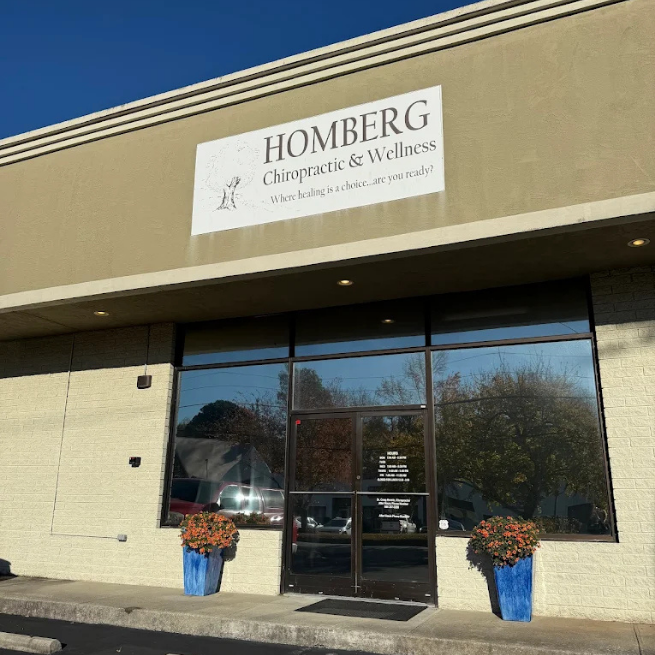

Neck Pain Treatment In Knoxville, TN
Neck pain can make ordinary movement feel guarded, especially when posture, desk work, old injuries, stress, or joint restriction start affecting the upper spine. Homberg Chiropractic & Wellness evaluates the source of neck pain and builds care around function, strength, and better movement capacity.
Book An AppointmentContent Reviewed By: Dr. Craig A. Hennie, D.C. on October 14, 2026
Chiropractic License Number: DC0000001884 (NPI: 1467696161)
Neck Pain Treatment At A Glance
Neck pain is common for people in Knoxville who spend long hours at a desk, drive often, sleep awkwardly, train hard, or carry stress through the shoulders and upper back. It can show up as stiffness, sharp pain, reduced turning, headaches, arm symptoms, or a constant sense that your neck will not relax.
At Homberg Chiropractic & Wellness, we look at more than the painful area. Neck pain care may include Chiropractic Care & Functional Rehabilitation, Spinal Curve Restoration, Dry Needling, or Cold Laser Therapy when the findings suggest that posture, joint motion, muscle tension, shoulder mechanics, or nerve irritation are part of the problem.
Our goal is not to chase temporary relief. We focus on restoring better function, strength, balance, and movement so you can turn your head, work, sleep, and move through the day with a clearer plan.
Stiff Neck Chiropractic Treatment in Knoxville
A stiff neck can make simple movements feel restricted, uncomfortable, or guarded. Some people notice stiffness after sleeping awkwardly, sitting at a desk, driving, looking down at a phone, working out, or carrying tension through the shoulders and upper back. Others may feel like their neck suddenly “locks up” after a small movement.
Stiffness can come from irritated joints, tight muscles, reduced upper back mobility, postural strain, nerve sensitivity, or the body’s natural guarding response after an injury or flare-up. When the neck is not moving well, the surrounding muscles often tighten to protect the area, which can make turning, looking up, looking down, or checking blind spots more difficult.
At Homberg Chiropractic & Wellness, stiff neck care begins with an evaluation of your neck, upper back, shoulders, posture, and movement patterns. Dr. Hennie looks for restrictions, compensation, nerve-related signs, muscle tension, and any symptoms that may require a different type of medical evaluation first.
When chiropractic care is appropriate, treatment may include adjustments, functional rehabilitation, dry needling, cold laser therapy, spinal curve rehabilitation, or other supportive services based on your findings. The goal is to help improve movement, calm irritation, and reduce the strain patterns that may be contributing to recurring stiffness.

What Is Neck Pain?
Neck pain refers to discomfort, stiffness, or dysfunction involving the muscles, joints, discs, ligaments, or nerves of the cervical spine. The cervical spine is the upper part of the spine that supports the head and allows movement such as turning, looking down, looking up, and side bending.
The neck includes vertebrae, discs, facet joints, nerves, deep stabilizing muscles, larger postural muscles, and connective tissue. These structures work together to provide mobility while protecting the spinal cord and nerve pathways that travel into the shoulders, arms, and hands.
Neck pain may be acute after a sudden movement, awkward sleep position, fall, or car accident. It may also become persistent when posture, muscle balance, joint mobility, stress, or recovery habits do not return to normal.
Because the neck connects closely with the upper back, shoulders, jaw, and head, symptoms often spread beyond one painful spot. A careful evaluation helps identify whether the driver is joint-related, muscular, nerve-related, postural, injury-related, or a combination of several factors.

Common Symptoms Of Neck Pain
Neck pain symptoms vary depending on whether the main driver is joint restriction, muscle tension, nerve irritation, disc involvement, posture, or an old injury pattern. Some people feel a dull ache at the base of the skull, while others notice sharp pain when turning their head.
Common symptoms include stiffness, tight upper shoulders, reduced range of motion, pain with desk work, discomfort while driving, and soreness that worsens after looking down at a phone or laptop. If nerves are irritated, symptoms may include tingling, numbness, burning, or pain that travels into the shoulder, arm, or hand.
Patterns usually tell us something. Neck pain may be worse in the morning, after computer work, during lifting, or after stress-heavy days. Gentle movement, heat, stretching, or changing positions may provide temporary relief, but repeated flare-ups usually deserve a closer look.
Neck pain can also affect daily function. Patients often report poor sleep, difficulty focusing at work, limited exercise tolerance, headaches, and frustration with simple tasks like checking blind spots, reading, or carrying groceries.
Can’t Turn Your Head?
If you can’t turn your head comfortably, it may be a sign that the joints, muscles, nerves, or surrounding tissues in the neck are irritated. This can happen after sleeping in an awkward position, spending long hours at a desk, looking down at a phone, lifting, exercising, driving, or moving suddenly.
Some patients describe this as feeling stuck, locked, sharp, pinched, or guarded. Others can turn one way but not the other, or they may notice pain when checking blind spots, backing out of a driveway, working at a computer, or trying to sleep.
When neck movement becomes limited, the issue may not only be in the painful spot. The upper back, shoulders, ribs, posture, and deep neck stabilizing muscles can all affect how well the neck turns. That is why a proper evaluation is important before choosing a treatment plan.
At Homberg Chiropractic & Wellness, we assess what is limiting your range of motion and whether your symptoms appear mechanical, muscular, nerve-related, posture-related, or injury-related. If your symptoms are appropriate for chiropractic care, we build a plan to support better movement, reduce guarding, and help you return to normal daily activities with more confidence.
What Causes Neck Pain?
Neck pain often develops when the cervical spine is asked to tolerate more load, tension, or repetitive stress than the joints, muscles, and nervous system can comfortably manage.
Mechanical contributors include restricted spinal joints, irritated discs, muscle imbalance, reduced upper back mobility, shoulder compensation, and poor control through the deep neck stabilizers. When one area stops moving well, nearby muscles often tighten to protect it.
Lifestyle factors can also matter. Prolonged sitting, forward-head posture, phone use, limited movement breaks, stress, and poor sleep can increase tension through the neck and shoulders.
Injury history matters as well. Car accidents, sports collisions, falls, and old whiplash injuries can leave movement patterns that continue to influence neck function long after the original pain improves.

Desk Posture, Tech Neck, and Neck Pain
Long hours at a desk, laptop, phone, or steering wheel can place extra stress on the neck and upper back. This is often referred to as “tech neck,” but it is really a pattern of repeated forward-head posture, rounded shoulders, limited movement breaks, and muscle fatigue.
Over time, the neck and upper back may begin to feel tight, heavy, sore, or stiff. Some people notice pain at the base of the skull, tension through the shoulders, headaches, or discomfort that gets worse by the end of the workday. Others feel temporary relief after stretching, only for the same symptoms to return.
Desk-related neck pain is not only about posture. It can also involve joint restriction, weak deep neck stabilizers, tight chest and shoulder muscles, poor monitor height, stress, reduced upper back mobility, and a lack of movement throughout the day.
At Homberg Chiropractic & Wellness, we evaluate how your neck, upper back, shoulders, and posture are working together. Care may include chiropractic adjustments, functional rehabilitation, posture and movement guidance, dry needling, cold laser therapy, or spinal curve support when appropriate. The goal is to help your neck tolerate daily work demands with less strain.

Conditions That Can Mimic Neck Pain
Several problems can feel like ordinary neck pain, which is why a focused exam matters. A cervical disc issue may cause neck pain with symptoms that travel into the shoulder, arm, or hand. Shoulder Pain can also refer discomfort into the side of the neck or upper back when shoulder movement is limited.
Jaw irritation, upper back restriction, and Headache and Migraines can overlap with neck symptoms because the upper cervical spine, jaw, and head share close movement and nerve relationships. Less commonly, infections or other medical issues can create neck pain with fever, severe headache, or unusual neurological symptoms.
Homberg Chiropractic & Wellness evaluates movement, orthopedic findings, neurological signs, posture, and imaging needs before recommending care.
Neck Pain With Shoulder Tension
Neck pain and shoulder tension often happen together because the neck, upper back, shoulder blades, and surrounding muscles share movement and support. When the neck is irritated or restricted, the upper shoulders may tighten to protect the area. When the shoulders or upper back are not moving well, the neck may work harder than it should.
This can feel like tight traps, aching across the top of the shoulders, stiffness at the base of the neck, soreness between the shoulder blades, or pain that travels from the neck into the shoulder or upper arm. Some people also notice symptoms after desk work, driving, stress, lifting, or sleeping in certain positions.
Because shoulder tension can be connected to the neck, upper back, posture, or shoulder mechanics, treating only the tight area may not be enough. A full evaluation helps identify whether the main driver is joint restriction, muscle tension, nerve irritation, postural strain, or a movement pattern involving several areas.
At Homberg Chiropractic & Wellness, neck pain with shoulder tension may be addressed through chiropractic care, functional rehabilitation, dry needling, cold laser therapy, extremity care, or other services when appropriate. The goal is to improve how the neck and shoulders work together, not just chase temporary muscle relief.
Neck Pain With Headaches
Neck pain and headaches can overlap, especially when the upper neck, base of the skull, jaw, posture, or surrounding muscles are involved. Some patients feel headaches that start in the neck and travel toward the head, while others notice pressure, tension, or aching after computer work, stress, poor sleep, or long periods of looking down.
Neck-related headaches may be connected to upper cervical joint irritation, muscle tension, postural strain, old whiplash injuries, jaw tension, or limited movement through the neck and upper back. Symptoms may include tightness at the base of the skull, pain behind the eyes, tension through the temples, or headaches that worsen with neck movement.
At Homberg Chiropractic & Wellness, we evaluate whether your headaches may be connected to neck mechanics, muscle tension, posture, nerve irritation, or another factor. This may include movement testing, orthopedic testing, neurological screening, posture assessment, and a review of your headache pattern.
If neck pain is contributing to your headaches, care may include chiropractic adjustments, functional rehabilitation, dry needling, cold laser therapy, spinal curve rehabilitation, or other services based on your findings. If your symptoms suggest that your headaches need medical evaluation first, we will explain the appropriate next step.

When To Seek Urgent Care For Neck Pain
Most neck pain is not an emergency, but some symptoms should be evaluated urgently before starting chiropractic care. Seek medical attention right away if your neck pain follows a major fall, car accident, sports collision, diving injury, or other significant trauma.
You should also seek urgent medical care if neck pain comes with fever, severe or sudden headache, confusion, dizziness, trouble walking, fainting, chest pain, sudden weakness, loss of balance, difficulty speaking, vision changes, new numbness spreading into the arms or legs, or loss of bowel or bladder control.
Neck pain with severe arm weakness, worsening numbness, or pain that travels down both arms should also be evaluated carefully. These symptoms may suggest nerve involvement or another condition that requires medical assessment before conservative care.
At Homberg Chiropractic & Wellness, patient safety comes first. If your history, symptoms, or exam findings suggest that imaging, emergency care, or another provider is needed before chiropractic treatment, we will explain that clearly and guide you toward the right next step.
What Our Patients Are Saying


How We Diagnose Neck Pain
Diagnosing neck pain at Homberg Chiropractic & Wellness begins with a structured evaluation of how your neck, upper back, shoulders, and nervous system are functioning together.
We review your health history, injury history, symptom pattern, posture, work demands, sleep position, and what makes the pain better or worse. Movement testing helps identify restricted joints, compensation, and areas that are not sharing load well.
Dr. Hennie may use orthopedic testing, neurological screening, palpation, posture assessment, and functional movement checks to determine whether neck pain is driven by joints, muscles, discs, nerves, or related structures. When clinically appropriate, x-rays may be taken and reviewed with radiology input.
The goal is to understand why the neck pain developed so care can support function, not just the area that hurts.
How Homberg Chiropractic & Wellness Treats Neck Pain
Neck pain treatment at Homberg Chiropractic & Wellness focuses on improving motion, calming irritated tissue, and building better functional control. Care is based on exam findings, not a one-size-fits-all neck adjustment routine. Each recommendation ties back to the movement problem we identify during your evaluation.

Spinal Curve Rehabilitation
We use extension traction and Denneroll protocols to help restore spinal curves and support longer-lasting structural correction.
Learn More
Cold Laser Therapy
Cold laser therapy uses low-level light to support tissue repair, reduce inflammation, and complement structural care.
Learn More
Dry Needling
Dry needling targets trigger points to release deep muscular tension, restore movement, and support structural correction.
Learn More
Extremity and Hypermobility Care
We treat extremity joints, TMJ concerns, and hypermobility patterns through full kinetic chain assessment.
Learn MoreWhy Early Treatment Matters
Early care for neck pain matters because compensation can build quickly. When the neck stops moving well, the shoulders, upper back, jaw, and surrounding muscles may begin working harder than they should.
Addressing neck pain early can help restore motion before stiffness, guarding, and weakness become more established. It also gives us a clearer chance to identify whether symptoms are mechanical, nerve-related, posture-related, injury-related, or connected to a broader functional pattern.
Meet The Team

Dr. Craig Hennie, Chiropractor
Dr. Craig Hennie has served Knoxville Bearden since graduating from Cleveland Chiropractic College in 2002. His recovery from chronic post-accident headaches shaped his function-first approach. He is Zone Certified, Board Qualified for Acupuncture, a Certified Medical Examiner, and trained in whiplash rehabilitation, cold laser therapy, kinesio taping, and non-spinal disorders.
Meet the Team
Madison McGill, Office Manager and Chiropractic Therapy Assistant
Madison keeps the clinic running with the efficiency and warmth that sets the tone for every patient experience. She is a certified chiropractic therapy assistant with more than four years in the chiropractic field.
Meet the Team
Salem Plaag, Chiropractic Therapy Assistant
Salem brings experience and attention to detail to every patient interaction as a certified chiropractic therapy assistant.
Meet the Team
Chaz, Chiropractic Therapy Assistant
Chaz brings a depth of chiropractic knowledge and experience that elevates each patient’s care. Her precision, expertise, and understanding of the body help patients work toward their individual health goals while supporting lifelong health and optimization—so they can continue doing the things they love for years to come.
Meet the TeamServing Knoxville And Nearby Communities
Homberg Chiropractic & Wellness serves patients from Knoxville, Bearden, Sequoyah Hills, West Knoxville, areas near downtown Knoxville, and the University of Tennessee community. Our location and care model are built for patients who want a thorough evaluation, clear recommendations, and function-focused chiropractic care.
Frequently Asked Questions
Sources And Clinical References
Cleveland Clinic: Neck Pain. Supports: neck-pain symptoms, causes, and functional limitations.
NCBI Bookshelf: Cervical Radiculopathy. Supports: arm symptoms, nerve involvement, and differential diagnosis when neck pain travels beyond the neck.
Mayo Clinic: Whiplash. Supports: injury-related neck pain, whiplash mechanisms, and trauma-related medical caution.
NCCIH: Spinal Manipulation: What You Need To Know. Supports: evidence limits for spinal manipulation as a conservative musculoskeletal option.
PubMed: Trigger Point Dry Needling For Musculoskeletal Conditions. Supports: dry needling as a short-term adjunct for selected muscle-related pain presentations.
PubMed: Cervical Extension Traction And Cervical Lordosis. Supports: evidence-limited spinal-curve-restoration language for selected cervical rehabilitation cases.
Book Neck Pain Treatment In Knoxville
Neck pain treatment in Knoxville should start with a clear understanding of why the pain is happening. Homberg Chiropractic & Wellness evaluates your movement, posture, nerve involvement, injury history, and functional goals before building a plan. If neck pain is limiting how you work, sleep, drive, exercise, or move through the day, book an appointment to begin with a thorough evaluation.
Content Reviewed By: Dr. Craig A. Hennie, D.C. on October 14, 2026
Chiropractic License Number: DC0000001884 (NPI: 1467696161)